Lawson Ashley, Economics Major, Texas Christian University
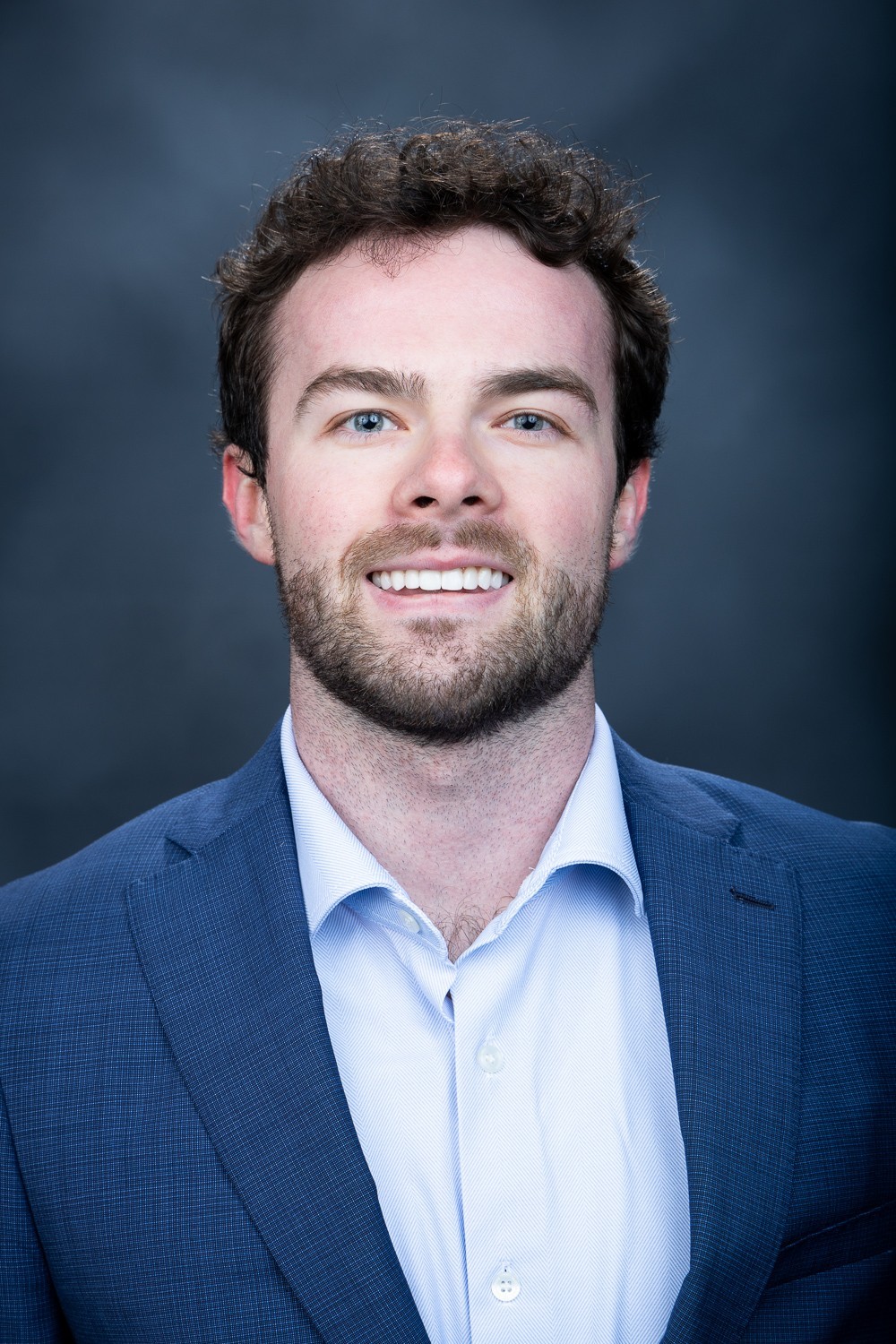
“TCGIF Spotlight” was created as our platform to recognize and provide exposure to our friends, clients, colleagues and team members both professionally and personally with simple, fun, entertaining and thought-provoking questions.
"There's no such thing as failure if you learn from it. I know there will be times when I make mistakes or encounter situations I don't fully understand. Instead of fearing failure, I've learned to embrace it, take the lesson, and keep moving forward."
Lawson, you’ve built an impressive foundation in both real estate and business through internships, leadership roles, and even international study. Can you walk us through your journey so far and what originally drew you toward commercial real estate?
My journey started at TCU, where I’m majoring in entrepreneurship and economics with a minor in Spanish. I’ve always been drawn to business, and over time, that interest has led me toward commercial real estate.
Early on, I interned as a credit analyst with Happy State Bank, where I learned how to evaluate financial risk and lending decisions. I also had the opportunity to work at a startup through Sparkyard.co, which provided me with a glimpse into entrepreneurship and the drive required to build something new. Most recently, I interned in the Real Estate Department at Baptist Health. There, I worked on lease renewals, property management, and asset valuation across a large healthcare portfolio. That experience really solidified my interest in commercial real estate, as I saw how real estate decisions impact both financial performance and community access to healthcare.
Outside of work, I’ve served as VP of Membership for Neeley Navigators, mentoring students and helping them chart their academic paths. Also, I studied abroad in Spain, which broadened my perspective and grew my adaptability. What originally drew me to commercial real estate is the blend of strategy and impact. I like analyzing deals and thinking through markets, but I also value that these decisions shape communities in a lasting way. That’s what excites me about building a career in this field.
Your internship with Baptist Health’s Real Estate Department combined two of your interests - real estate and healthcare. What did you learn about managing mission-critical real estate assets, and how did it influence your career goals?
One of the most important things I learned during my internship with Baptist Health’s Real Estate Department was the role property management plays in supporting the hospital’s mission. I saw how maintaining facilities at the highest quality is not just about the buildings themselves. The quality of the buildings directly impacts the experience of both patients and employees. We worked constantly to update and maintain facilities so that anyone walking into a Baptist Health property felt confident they would receive excellent care in a comfortable environment. I also learned the value of building strong relationships with hospital staff. Understanding their needs within each unit helped us prioritize upgrades and improve employee retention. This relationship extended to lease renewals and even to attracting new medical professionals to the hospital’s network. Seeing how real estate strategy could influence everything from patient experience to employee morale really shaped my interest in pursuing a career where I can blend real estate with community impact.
You’ve taken on leadership roles, including serving as Vice President of Membership for the Neeley Navigators. How did your own freshman-year experience with the program influence the way you led and engaged members?
As a freshman, I relied on the Neeley Navigators program a lot. I consistently reached out with questions about my degree plan because, at the time, I didn’t fully understand all the graduation requirements or how to structure my classes. The guidance I received was incredibly helpful and relieved a lot of the stress that comes with navigating college for the first time. That experience made me realize how valuable the program is for every Neeley student, and it inspired me to give back by becoming a Navigator myself.
When I joined the program, my goal was to be the kind of resource I needed as a freshman. Whether students had questions about degree requirements, class registration, or using the school’s online platforms, I made sure every question was taken seriously and that students felt supported. If I didn’t have the answer, I connected them with someone who did. My passion for helping others and my commitment to the program eventually led to me being elected as Vice President of Membership, where I could continue building the program and helping even more students.
In your leadership role with Neeley Navigators, how did you work to strengthen the program, improve the student experience, and make sure students felt supported when using its resources?
I believe the passion I had for the program and the desire to make it better were crucial to my leadership role. Having the right leadership in place was extremely important. I was fortunate to work alongside an executive team that shared the same dedication to improving the program and genuinely wanted to help students find the information they needed. Our goal was that every student left with clarity and confidence about their next steps.
One of the most important responsibilities we handled as an executive team was selecting the new executive board to succeed us. We put a great deal of thought and effort into this process because we knew the program’s success depended on having strong leadership in place for the future. Another key responsibility was recruiting new Neeley Navigators for the program. In this process, we focused on identifying students with a real drive to contribute and made sure to bring in individuals with diverse academic backgrounds and experiences. We knew that a strong, well-rounded team would be crucial to supporting students. As a result, more students became aware of the opportunities the program offered and began utilizing its resources, which showed us that the changes we were making were having a positive impact.
You studied abroad in Seville, Spain, taking courses in International Business Management and Global Economics. Beyond the classroom, what lessons did you bring back that now influence how you approach business and real estate?
Studying abroad in Seville, Spain, was an incredible experience that taught me far beyond what I learned in the classroom. Living and studying in a completely different environment helped me appreciate cultural differences and adapt quickly to new ways of life, business, and education. I realized that business practices and decision making can look very different across cultures, and understanding those differences is important in today’s global economy. That perspective has stayed with me and now shapes how I approach both business and real estate with flexibility and a willingness to see things from multiple viewpoints.
You’ve attended numerous networking events and clearly value learning from others. What’s your approach to building relationships, and how do you keep those connections active over time?
My approach to building relationships starts with having an open and curious mindset. I believe the best connections come from genuinely wanting to understand how someone thinks, what motivates them, and the experiences that shaped them. By asking thoughtful questions and really listening, I not only learn from their perspective but also build a relationship that is authentic rather than transactional. To keep those connections, I make a point to follow up, share updates, or simply reach out to check in so the relationship continues to grow over time.
What’s the best piece of advice you’ve received so far in your career, and how has it shaped your path?
The best piece of advice I’ve received in my career is that there’s no such thing as failure if you learn from it. As someone just starting out, I know there will be times when I make mistakes or encounter situations I don’t fully understand. But I’ve come to see those moments as the biggest opportunities for growth. Instead of fearing failure, I’ve learned to embrace it, take the lesson, and keep moving forward. That mindset has helped me approach challenges with confidence and resilience as I build my career.
The commercial real estate industry can be fast-paced and competitive. How do you plan to stand out as you enter the field?
The most important way to stand out when entering the field of real estate is to be well-balanced. Real estate is a vast industry with many moving parts, and staying ahead requires exposing yourself to a wide range of situations and multiple outlets of knowledge.
One of the best ways I absorb information and stay current with the real estate market is by listening to the WSJ What’s News podcast, the BiggerPockets Real Estate Podcast, and watching Break Into CRE videos at the beginning and end of each day. These podcasts and videos keep me informed on market news, whether it involves investments, the economy, or factors affecting markets in the United States and across the globe. I also follow real estate transactions by reading the Arkansas Democrat-Gazette, Arkansas Business, and The Wall Street Journal. These articles provide key information on both smaller market transactions and larger deals across the country.
Another crucial aspect of being well-balanced has been learning through experience. My internship with the Baptist Health Real Estate Department gave me a look at how real estate deals are formed and closed, as well as the importance of building long-term relationships. I continue to pursue additional opportunities to gain further experience in real estate. Finally, I place a strong emphasis on connecting with peers and experienced professionals in the industry. Whether they specialize in a specific niche of brokerage or manage diverse property portfolios in asset management, having conversations with these professionals has been important to my development and understanding of the field.
More News & Insights

TCGIF Spotlight Series
•
7/1/26
TCGIF Spotlight Series
•
6/12/26
TCGIF Spotlight Series
•
4/24/26